“A KID FROM TAFT STREET IS NOW MAYOR OF BOSTON !”

Image

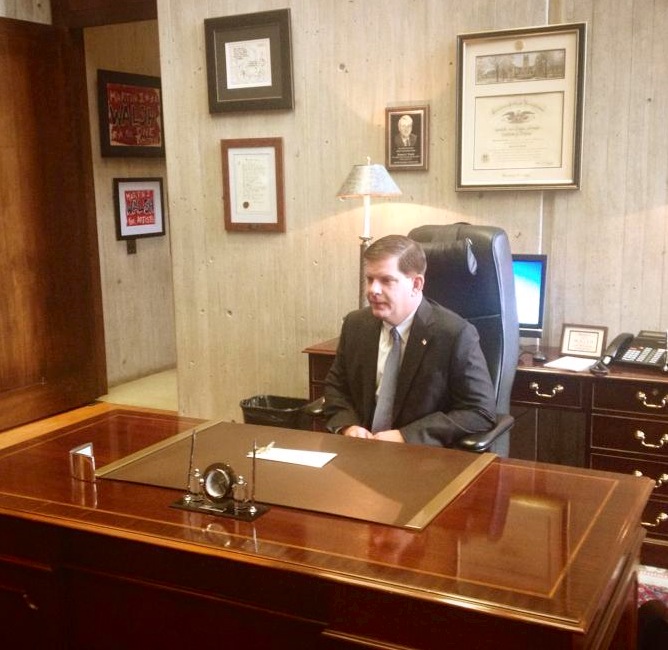
^ taking the three-part oath as Boston’s 48th Mayor :Martin Joseph Walsh of District 3

—- —- —-

So said Marty Walsh after being sworn in as Boston’s 48th Mayor. Chief Justice Roderick Ireland swore Walsh in. Walsh’s Mom and brother and his gal-pal Lorrie Higgins stood by to watch the “kid from Taft Street” official become His Honor. It was a moving moment no matter which of the 12 Mayoral candidates you wanted. Walsh grew up without a big name, on a three-decker street, surrounded by temptations, some of which befell him. And now here he was, the City’s leader, holder of perhaps the most powerful elected office in Massachusetts.

Other men have traced the same kind of path from bottom to top. One thinks of Diocletian, Roman Emperor, yet born a slave, who rose, who educated himself. Or of Abraham Lincoln. Or Fiorello LaGuardia and Al Smith. It is, in fact, a commonplace of politics, that those on the bottom often believe in the system more truly than many on the top and who, aspiring, steel themselves to rise within it, no matter how long or painful the climb, and to become the steward of it and of all it represents. There have been innumerable Marty Walshes in history. And yet…it is still moving to see an actual Marty Walsh actually become Boston’s Mayor and to see the gathered thousands of Boston’s elite and non-elite actually there, in Conte Forum, to witness his becoming Mayor and to cheer it.

Image

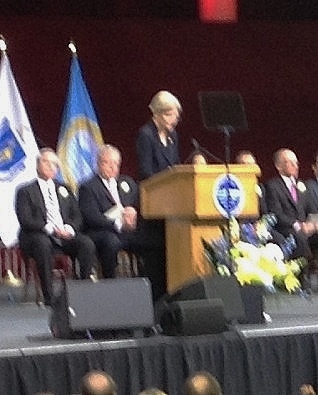
^ Senator Elizabeth Warren delivering her remarks to “my friend Marty”

The powerful did not hang back. Senator Elizabeth Warren spoke eloquently about the passion that she and Walsh, so she said, share for alleviating inequality and the achievement gap. Governor Deval Patrick, choosing a light comic note, told Walsh that he would wake up from “a day of blur” but to savor the moment anyway. Cardinal Sean O’Malley of Boston also sat on stage. Yo Yo Ma performed the “Danny Boy Serenade” with dominant intensity and equally masterful delicacy. The entire City Council, all 13 members, sat on the other side of the podium and took its own oath. The front rows of the Forum found a seated multitude of descendants of former Mayors : Flynns, Whites, Fitzgeralds, Hyneses, Collinses — lending depth to the occasion’s topside.

Image

^ the gathered thousands included a huge segment from Dorchester, all of whom cheered loudly when their Councillor, Frank Baker, was sworn in.

Walsh then delivered an inaugural address sturdy and point by point clear. All the themes of his campaign took a turn : collaboration, diversity in staffing, improving education, ending the achievement gap, attacking violent crime, and assuring full equality to all Bostonians no matter what their sexual orientation, lifestyle or origin. He thanked “,my sisters and brothers in labor” — was roundly cheered — and almost in the next sentence said “let it be known that Boston is open for business.” Here he spoke of “innovation in every neighborhood, not just downtown” and of small business, start-ups, and businesses big.

It was a firm speech, confidently delivered, steady as she goes. Which may well be the defining tenor of Walsh’s administration.

And so you have it. Marty Walsh is your Mayor. Yep.

Image

Image

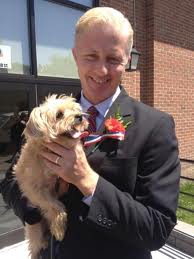
^ from Chelsea, with what mission ? new corporations counsel Eugene O’Flaherty, currently chairman of the State’s House Judiciary Committee

Hardly two hours had elapsed after that “yep” when an announcement was made at least as portentous as the inauguration itself : State Representative Eugene O’Flaherty, of Chelsea, is giving up his House seat and his House Judiciary Committee chairmanship, moving from Chelsea to Boston, and becoming Walsh’s chief corporations counsel : the city;s top lawyer. I admit that this choice surprised me completely. It was easy enough to believe that Walsh wanted O’Flaherty, who was first elected to the House in the same year as he (1996). The two men share much heritage. The difficult part for me was, why would O’Flaherty take the job ? He isn’t just a State Representative, he is one of the chamber’s key leaders. And also have to move house. There has to be a big story going on, and what it is, I can only speculate. It may involve the Steve Wynn casino project : O’Flaherty represents Charlestown, which Walsh did not come close to winning on election day and which will; be heavily impacted. Is O’Flaherty being asked to use his particular knowledge of the area to win the best mitigation package possible from Wynn, including — a top Walsh priority — construction jobs ? or perhaps to sue the Wynn project, or the Suffolk Downs Revere-only casino project if needed ?

We will soon find out.

We will also find out who Walsh chooses to head the other City departments. Of only one such did he say there would be a “nationwide search” : schools superintendent. Of course so. No Bostonian would want the thankless, frustrating job. (One of his two school committee appointments has already caused comment : replacing charter school principal Mary Tamer with labor lawyer Michael Loconto.) As the school committee appointment shows, not many Bostonians Walsh might name as superintendent would avoid raising an outcry from one interest group or another. Compared to schools superintendent, it’ll be easy to pick a Police Commissioner and one for the Fire Department. No nationwide search needed there.

—- Mike Freedberg / Here and Sphere

BOSTON MAYOR : MANAGEMENT IS THE MESSAGE

Image

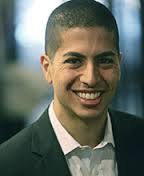
^ probably the most-viewed face in Boston today : 29-year old Daniel Koh, who will be Mayor-elect Marty Walsh’s Chief of staff

—- —- —-

“Management” is the message that Mayor-elect Walsh is sending so far. Changes in polkicy may be coming; certainly his core supporters insist on it; but for now, the prioority is to manage better what already is.

We saw the message previewed at the Transition Team Hearings, in which each Task Force found its suggestions divided into “keep,” “implenent,” and “dream” components. Categorization helped task force participants to appraise the impact of their ideas — and to traffic-cop the discussion toward flow, not tie-ups. Still, it wasn’t clear then that traffic-copping would become a policy in itself; but it looks that that is what has happened.

The selction of Huffington Post chief staff manager Daniel Koh to be Walsh’s chief of staff confirms it. Koh is a manager, not a politician. He holds an advanced degree in management; method is his milieu, application his brief. Havard; Phillips Andover (disclosure : my school too). He worked in Mayor Menino’s administration prior to joining Huff post. His selection assures that the policies will be Walsh’s, the implementation, Koh’s. Sometimes chiefs of politicians’ staffs inject policy ideas of their own. It’s all too easy for an office holder’s office manager to control the action. Koh will not — probably can not — do that to Walsh : or maybe I should say, he and Walsh agree completely, that management will be the policy and thus Koh will have free rein to make it happen as he deems best.

(to learn more about Daniel Koh, follow this link to his Huff post bio : http://www.huffingtonpost.com/daniel-koh/ )

The selection has won almost universal applause. Nearly everyone understands that, despite Tom Menino’s remarkable popularity with voters, his City Hall abounds in seat of the pants. “Temperamental” is its key. Who knows what, or who, will be the priority tomorrow, or the next day, of Menino’s impromptu, grudge-freckled mind ? As for the BRA, the less said the better. Developers either got aboard Mayor Menino’s Indiana Jones-like chase horse or they risked getting poofed, or cornered. Communities into which developments were to be deposited found themselves labyrinthed, door-locked, sweet-and-sour talked. One heard it at all the Mayoral Forums during the campaign, in every part of the city. Heard also was an almost universal demand to simplify the City’s permitting process — or should I call it “permitting adventure” ? Permitting should eanble enterprise,l not discourage it, much less laugh at it.

Nobody much mentioned the taxi scandal during the campaign; it wasn’t laid at Menino’s door; but nowhere in City governance was Menino’s managerial unavilability more on view. For how many years had the City’s taxi drivers been allowed to be cheated, gouged, disrespected by taxi medallion owners, with not a whisper of investigation undertaken, much less corrective action ? It happend on Menino’s watch, and he knows it did. So do we.

Walsh appears determined to not let that sort of sinkhole exist on his watch. This is a good thing, and a wise one. Walsh knows that the City is divided on most of the major policy areas he will eventually have to face. School reform, City unions, staffing diversity, traffic and bikes, poverty and achidvement, public safety — all portend division that Walsh, elected by a coalition internally mjuch at odds, cannot afford to take hold. On management of what the City does already do, however, there is almost no disagreement : it needs dramatic improvement. Order out of anarchy, simplicity from confusion.

Improving City management was the message of two Mayoral campaigns that did not win : Rob Consalvo and Dan Conley. Walsh won almost all the Consalvo votes : voters who don’t like Walsh’s charter schools record and don’t readily comport with his trade union style but who chose him nonetheless. These voters must be happy to see Walsh adopt Consalvo’s signature theme. As for Dan Conley voters, Walsh won hardly any. His emphasis on City administration first can only be a pleasant surprise to voters who did not envision Walsh as an administrator of anything.

You all know that we at Here and Sphere favored John Connolly. But I saw in Dan Conley a very capable second choice. Thus I too find Walsh’s “management first” message a wise one. The policy decisions can wait while he — and we — fix the process by which those policy decisions will be implemented.

Meanwhile, Councillor Ayanna Pressley has announced that she will seek the Council Presidency. She is said to have Matt O’Malley’s vote and Tito Jackson’s. The wheels are turning. Oh yes they are.

—- Mike Freedberg / Here and Sphere

UPDATE : Now I am getting reports that Bill Linehan will have no less than 8 votes out of 13.  Even so, Ayanna Pressley has made her move. And a statement.

BOSTON : SCHOOL REFORM SLICED DICED AND…BLAND ?

Image

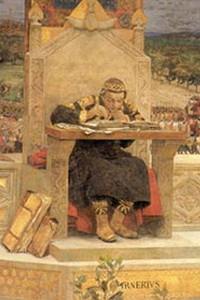
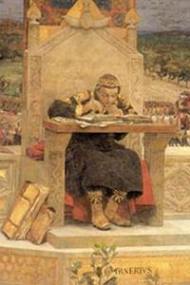
^ curriculum revolutionary : Irnerius of Bologna (1050-1125), who introduced new studies of law and so won the competition to draw students to his lectures

—- —- —-

“Today’s lesson, boys and girls, is ‘school reform : its history, its heroes, and its opponents.”

Thus sayeth the teacher. This shall be Part One of a Two-part course. Let the lecture begin :

No societal institution is harder to reform than schools. it has always been so. To take one huge example, when Greek began to be studied by European scholars in the 13th Century, its introduction, as a taught course, into the universities of that day — which taught all in Latin only — occasioned actual riots. Another example : teachers in medieval Europe were independent contractors, competing with each other (often viciously) for students (and student fees) — not collegial at all. Witness the revolutionary curriculum innovations — and career — of Irnerius of Bologna. Only when the advantages of coming together as a faculty showed themselves fatal to independent teachers seeking students did the faculty, collegial system become the standard. It took almost 300 years to make the point. One thing did NOT change : teachers worked on the margins, never far from wipe-out. If students did not sign up for their lectures, their teaching career ended. Something like that is still the case. Courses that attract too few students to pay the teacher’s salary get dropped from the curriculum.

You will of course notice that I am talking about “higher’ education. The situation with primary education was different and still is. Students in primary school learn the basics. These have hardly changed at all since Roman days — because the basics of civilization scarcely change. What does cahnge is the WAY in which the basics are taught, and, again, changes in method have come about only with much controversy and almost always far too late. Thus it is no great surprise to see that, today, in Boston, school reform movements meet big resistance, even counter-reformation.
Image

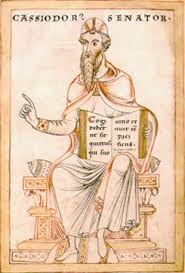
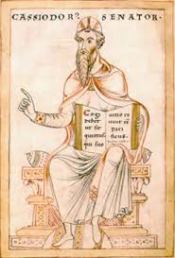
^ Cassiodorus (ca 485-585), the Arne Duncan of his day, as chief aide to Theodoric the Great and later, educational reformer. When he retired, his library of over 2200 books stocked a monastic school that he founded on his estate at Vivarium, near Catanzaro in the “boot” of Italy.

There have always been four major constituencies on the battlefield of school reform : parents; students; teachers; employers. it was so in Roman times — but the Roman system was a ducal, bureaucratic one in which schools prepared for only one career : oratory in the senate, oratory as a proctor (litigating lawyer), oratory in imperial administration. Parents fought to get their brightest children into a school well connected to imperial circles; teachers fought to get the imperial approval without which they could not teach in an imperially sanctioned school; students were force-fed and even beaten, learning by rote, marine-drill-sergeanted into a mindset sufficiently bureaucratic to win them a coveted post in the imperial or Senatorial circle. (if you want to taste something of the flavor of late Roman schools, read chapters 3 through 6 of Augustine’s CONFESSIONS.) To sum up ; in the Roman world, the employer entirely dictated what the school would teach, to whom, and how.

Is it thus so odd that today, in Boston, employers want a major say in how the City’s schools teach future employees ? Is it not a huge concern of theirs, that graduating students be able to meet the entry-level prerequisites, at least, of their hiring ? Kids do not graduate from twelve years of primary and secondary schooling just for graduating’s sake. They graduate to employment. Some may, it is true, go into the military — where they will be trained as forcefully as the Roman world trained its legions. A few may move directly to entrepreneurship. but for 80 to 90 percent of graduating students, employment awaits, just as it awaited the graduates of Roman academies.
Image

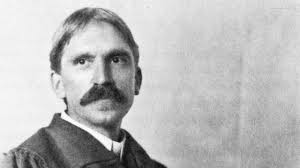
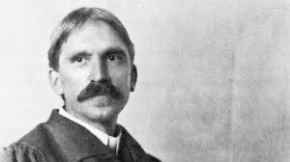
^ John Dewey : “learn by doing” — implanting the culture of apprenticeship learning into school methodology

As for employers dominating, even owning our schools, keep in mind that imperial or Senatorial patronage funded and staffed all the Roman world’s schools. Today we would not accord employers such dominance of our schools, partly because we have thousands of varying employers where Rome had only one. But we cannot, and should not, decry substantial employer involvement in the content and method of what our schools teach. We should invite it.

Our schools also teach one other major ethical learning : citizenship. In Rome, citizenship belonged to all, and it bestowed important rights. But citizenship imposes duties as well, and so long as the Roman world held together its schools taught what they taught not just as skills necessary to imperial employment but also as a responsibility of citizenship. The two obligations were not separate. In our world and our schools, citizenship is not so obviously an integral part of employment knowledge. It involves knowing history, the law, cultural diversity, tolerance, inquiry, participation in politics. Yet are employers not concerned that their employees be good citizens ? Young people who cannot accept diversity, or display good manners, or lack social graces, often make poor employees.
Image

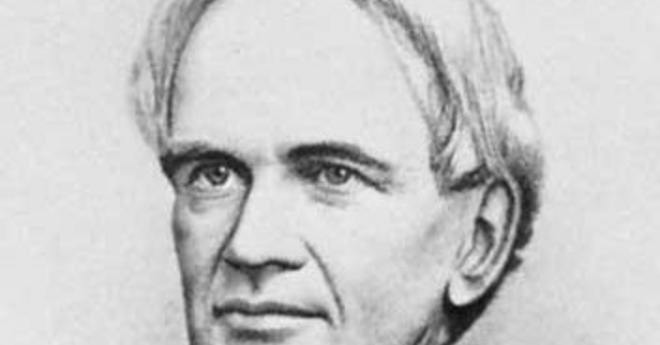
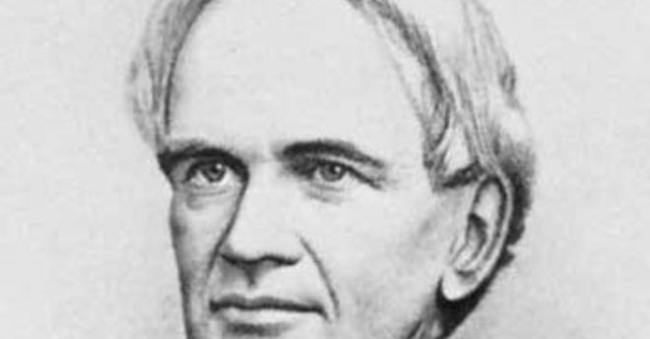
^ Horace Mann : Massachusetts Congressman and education reformer — citizenship / civics as part of a core curriculum

I present this lengthy background as a platform upon which I now offer the education reform plan posted by incoming mayor Marty Walsh. Here it is as posted on his website :

“Marty’s plan is to immediately build on current strengths within Boston Public Schools, and simultaneously develop and implement a long-term strategy based on equity, access, accountability, transparency and collaboration to provide a top-notch education for all of Boston’s children. Success will require taking a hard look at current practice, the political will to make tough, necessary changes, and the collaboration of families, educators, and partners across the city to realize a shared vision.”

“In addition, Marty recognizes the achievement of students with disabilities can be accelerated by participation in inclusion classes with their differently abled peers. The Walsh Administration will continue support for current plans to expand the number of inclusion schools, and will increase support for principals and teachers to learn about co-teaching models, Common Core Standards and differentiating instruction.

“Embrace and Support the Implementation of the Common Core State Standards – The Walsh Administration will ensure each and every school has a plan to integrate the Common Core State Standards into daily instruction, prepare teachers to teach the standards, and help students demonstrate their knowledge and skills.

“Selecting the next superintendent is one of the most important decisions facing the new administration. It is critical that the superintendent fully embraces the Mayor’s vision and is committed to its success.

“Maintain a Mayoral-Appointed School Committee – Marty supports an appointed school committee. This is the best way to ensure a body that fully reflects all the stakeholders in quality public education, including those with direct experience providing education, and those who understand the importance of prioritizing the needs of the whole child in an urban school setting.

“Central office departments will be redesigned into streamlined cross-functional units and held accountable for how well they provide support and service to schools. School supervisors will closely monitor schools in order to know which school leaders to support, which to push, and which to grant autonomy so that each and every Boston Public School is among the very best schools in Massachusetts.

“The Walsh Administration will focus on “deepening the bench” of potential school leaders who know how to work with teachers to improve instructional practices tied to the Common Core State Standards.

“Strong partnerships with local colleges and universities, and support for accelerated programs that prepare teachers for urban schools, such as those offered at the University of Massachusetts Boston, will be developed to supply qualified candidates. Systems and incentive will be implemented to retain strong principal and teacher leaders with appropriate compensation.

“The Walsh Administration will be aggressive in working with federal elected officials and agencies, the Massachusetts State House, and corporate and non-profit partners to increase revenues for targeted programs.”

— so sasys Marty Walsh, officially.
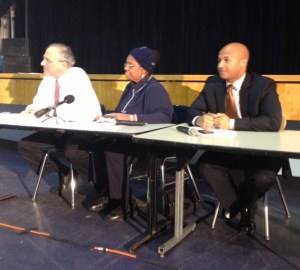
photo (21)

^B George Perry, Jeri Robinson, and John Barros — Walsh’s Schools team. Is there a Cassiodorus in this triad ? Or just smiling faces ?

The Walsh plan has aroused plenty of opposition from anti-Common Core advocates. (Even though Massachusetts school standards are stronger than Common Core, which is thus irrelevant to Boston schools.) it also disappoints many who want a much more comprehensive overhaul of Boston Public School methods, curriculum, student assignment, and partnering. For me, the plan’s face is its blandness. It is cardboard. It avoids all of the difficult issues. It hardly mentions the most controversial or necessary. you won’t find in it the terms ’employer,’ “charter school,” “teacher evaluation,” “teacher selection,” “school competition.” It really is not a plan for reform at all. What I take from it is a message that we should TALK about reform. This, the City is doing. But then what ?

I find especially unfortunate the plan’s entire avoidance of competition. I know of no dynamic school system in which competition between schools — between teachers within those schools — was not an integral condition. Uncompetitive schools teach uncontroversial knowledge. Competition can be imposed upon schools and teachers only by employers — in the Roman world, the Emperor demanded, and that WAS the competition — or by the students and their parents, who, as in Abelard’s Paris and in the teaching city that was contemporary Bologna — pay their teaching fees to the best teachers. The competition then — years 1080 to about 1270 — was brutal, but knowledge advanced daringly and hugely. (we don’t call it “the Renaissance of the 12th Century” for nothing.) Much of the advance in knowledge was brought into those schools by independent researchers, often working in Muslim lands. The same is true today. Innovation Districts and their collaborative competitors are our era’s version of 12th Century’s wandering researchers. They and their knowledge, gathered from everywhere, should inform, revive, reconstitute our City’s public schools — curriculum, evaluation and pay, responsiveness to a rapidly evolving world of employers.

Or we can choose stagnation, blandness, and loss of the innovative daring that made Boston so different a city for so long.

—- Michael Freedberg / Here and Sphere

Tomorrow : the teacher and his or her career in a system committed tyo innovation, citizenship, and employment.

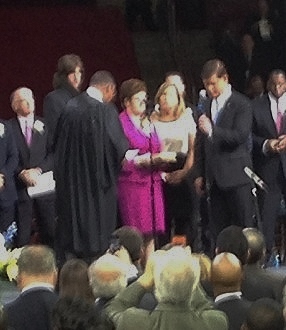
#BOSMAYOR : SOMETHING TO HIDE

Image

^ all but one of these folks didn’t hide. Why the AFT ? “OneBoston” ? Ya right.

—- —- —-

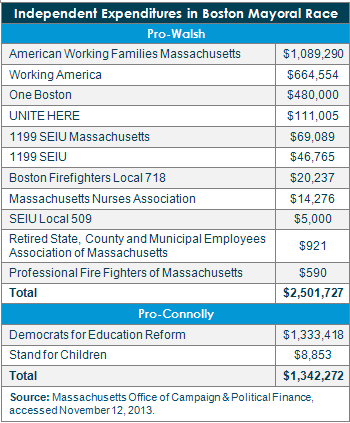
Thanks to the Boston Globe’s Wesley Lowery, who scooped the story, we now know who “OneBoston” was and where its mysterious, last-week-of-the-race $ 480,000 ad buy came from. The AFT did it. As in American Federation of Teachers.”

My purpose is not to retell Lowery’s story, which you can read in the link below this paragraph. My intention, rather, is to confront the secrecy of it. By steering their $ 480,000 into the Boston Mayor race via a New Jersey PAC, in which state disclosure of donors is not required, the AFT kept hidden what it felt it needed to hide. The same was true of the Boston Teachers’ Union, which didn’t issue an endorsement of Marty Walsh until the morning of election day, too late for news media to make the voting public aware.

Link to Wesley Lowery’s story : http://www.boston.com/news/local/massachusetts/2013/12/27/american-federation-teachers-revealed-funder-behind-mysterious-pro-walsh-pac-during-mayoral-campaign/ioVOZ2wdjfhxNVPF8hasMN/story.html

Why the hiding ? Clearly these teachers’ unions felt that if their active involvement in a Boston Mayor’s race were known , Boston’s 57,000 public school parents — and surely others — would not like it. These unions know that there’s scant public support for their agenda. Yet they were willing to hide behind the blinds for the sake of electing as Mayor a man who sits on a charter school board — which teachers’ unions profess to hate — but who is known to be a friend of unions and a go-slow collaborator who would likely not shake too many peaches off the peachtrees, in preference to a committed “school transformer” who actually sends his kids to a public school and who wanted much better than the status quo.

All year long the teachers unions have demonstrated their unwillingness to accord any school reform measures but their own. For them it has been “our way or the highway.” Thus the hiding; because school parents, curriculum developers, and Massachusetts’s state government have other ideas about how to improve schools than the teachers unions do and have more than sufficient public support to override the inflexibility of the teachers’ unions; and these unions know it, and thus took to subterfuge to evade the spotlight.

It was a pitiable example to set for the students whose citizenship learning we entrust to teachers. Don’t discuss, insist. Don’t make your moves known, deceive. Don’t confront unpleasant truths, send anonymous poison letters. (Privatization of schools, corporate intruders, child of privilege, etc.)

Bad enough when political campaigns do it. Despicable when done by people to whom we entrust the education of our children.

To circle the wagons around their own agenda, teachers’ organizations were ready to see a Mayor elected whose prospects are incremental at best, a mayor who is too decent a guy and too collaborative to force the hard decsions, instead of pursuing real reform by a Mayor candidate who understood that the future will not be like the past and who had solid ideas — and the intelligent fortitude and talented support group — on how to get his city there. To circle the wagons and do it under the table, like a worker trying to avoid paying taxes. I call it dishonorable.

John Connolly, the loser in this ambush, told Lowery “as a candidate I’m moving past the race. As a BPS parent, I am really angry.”

There was a time when teachers were reformers; embraced experiment; proposed new curricula and new school arrangements. Most teachers still understand very clearly that it is NOT about THEM, it’s about educating children. Unfortunately, the teachers’ organization that invaded the Mayor’s race unannounced “because they are fighting for working families,” no less, failed to get that message. For these groups, it was indeed all about them.

The Boston Teachers Union (BTU) had an opportunity, early in the race, to embrace the candidacy of John Connolly, which had made education the number one issue, and to discuss with him how to best reshape the public schools to be beneficial to the future economy and society. That would have been a superb exercise in reform that the voting public would surely have welcomed. Instead, the BTU chose to retrench, to demonize Connolly, to support a man they didn’t want to support, and to do so by last-minute ambush. But I do not blame the BTU as profoundly as I do the AFT. The BTU’s resistance to reforms not advocated by it was well publicized even if their election-morning endorsement wasn’t. The AFT chose to hide behind the curtain, like Polonius, and to lob a $ 480,000 bomb into the arena. It shouldn’t be surprised if it now finds itself poignarded by a host of Boston School Parents who have other ideas about school reform and who resent being ambushed by refuseniks.

—- Michael Freedberg / Here and Sphere

Reporter’s note — All of this confirms my appraisal that it was Walsh’s weakness, electorally, that allowed him to accrue so many allies and thus to win. The politicians and interest groups that lent Marty their support applied the “City Council Presidency” rule : always vote for the weakest. That’s fine when electing a mostly powerless Council Presidency. It’s not so fine when misapplied to an office truly potent, as Boston’s mayor sure is. By applying the “vote the weakest” principle to Walsh, the groups and politicians who backed him basically retained power in their own hands — a kind of back-door Recall. The last thing these groups and office holders wanted was a strong Mayor who didn’t need them at every flex point. Walsh can still break free and grab the power of office; but to do so, he will have to betray and/or push aside many of his supporters. (It can be done. See the papacy of Pope Stephen III, mid- 8th Century, for an example of how to do it.) However, I see nothing in Walsh’s career or temperament that suggests such an outcome. I’m not sure he even wants it.   —- MF

BOSTON MAYOR : YEAR OF 1000 LEMONS

Image

^ A 1000 lemons are zooming toward the man who will have to tend the Boston lemon grove….

—- —- —-

Those of us who preferred John Connolly as Mayor may wonder whether our preference was a blessing or a curse. Because the mayor we did get, Marty Walsh, faces an avalanche of problems verging on intractable. Well might John Connolly be grateful to have dodged the 1000 lemons descending upon Walsh’s first year in office, any one of which could derail his agenda and all of which might leave him muttering “why me ?”

Consider : ( 1 ) Boston Public Schools face change in every aspect, from teacher evaluation to curriculum development; from facilities upgrades to a new union contract; from competition for school funds to a revised school assignment plan that, hopefully, prioritizes close-to-home; and the bugaboo of charter schools, loved by supporters (and Walsh has been one), demonized by the Ravitch-ians ( 2 ) a Police Department that miserably failed to administer the City’s taxis, which entirely lacks diversity at the captain level, that has in many cases lost the trust of neighbors in the most violent zip codes, that just won a budget-busting pay raise heavy with money from public works details ( 3 ) a Fire department ready to rumble its own forthcoming contract negotiation; which now lacks both top administrators; is utterly resistant to firehouse and work rule reform even from a Mayor independent — which Walsh is totally not ( 4 ) city finances standing $ 50 million in the red even before the Police pay raise award and which can only redden more deeply as the funding needs of school reform, future union contracts, and public works present their bills — not to mention tax breaks that project developers will demand, and likely be granted, as the price of moving Boston’s Building boom forward (and thus providing continued work to Walsh’s core support, the building trades workers).

Consider also these : ( 1 ) major school reform that will be demanded — not requested — by employers who will either get job applicants who can meet entry-level requirements, at least, or will move to cities whose graduates do meet those requirements ( 2 ) expanding the City’s hubway bike system without aggravating car traffic flow ( 3 ) figuring a plan for Sullivan Square / Charlestown Neck that makes useful space of it, rather than a traffic-clogged jumble of trash, old brick, and rusty rails; and that takes into account the likelihood of a Steve Wynn casino in Everett, directly across the Mystic River ( 4 ) making the city’s parks safer to use, grounds-keeping them, and opening them — Franklin Park in particular — to tournament sport ( 5 ) devising a platform that makes middle-class housing profitable to build and affordable to buy — and deciding where to base it, in the face of neighborhood NIMBY-ism ( 6 ) configuring the BRA to increase neighborhood input (as most voters want) without enabling NIMBY-ism ( 7 ) choosing new hires without succumbing entirely to favoritism (although at a lower level, favors have value to the collaborator that Walsh has built his following by being; and, lastly ( 8 ) hiring a substantial presence of people from Boston’s Communities of Color (“COC”), and seeing many into the building trades : because without strong COC support Walsh wouldn’t have come close to winning and without which he won’t be re-elected.

Then comes the City Council Presidency flap now roiling some commentators and overly mind-busy “progressives.” The last thing that Marty Walsh needs, given the lemon grove of problems zooming at his head, is a Council President who can credibly run against him in 2017. Walsh will almost certainly face a strong opponent anyway. How can it help city governance to box Walsh further than he is already boxed ?

I wrote two days ago that Walsh may have made a big mistake by holding so many public hearings on the eleven issues that his transition team prioritized; that he might have been better served to put a lid on it all until a few months into his actual term of office. But perhaps his public hearings have more value than not. They give issues constituencies opportunity to speak, insist, petition; to feel that this new Mayor sincerely wants to listen. I think he does.

Listening — which he does well — is true to who Walsh has been, as union leader and legislator : a collaborator who works by bringing various interests together for a common purpose. The weakness in his method is that it depends on the willingness of those interests to collaborate with the collaborator. We will find out soon enough if that happens, and with how many lemons.

One asset that Walsh does possess is a wide circle of “wise old heads’ who trust and respect him and whose reputations in the City;s various communities Walsh now commands. He will not lack for good advice or for spokesmen and spokeswomen to argue bis case to the various interests arguing their cases to him. Other than these folks, however, his team looks young and quite all of a kind. He need to diversify his core staff, and soon.

Most of all, he badly need to hire top people now working for the various entrenched interests that now confront him AWAY from those jobs and INTO his administration.

The success of his lemon grove lemonade depends on it.

—- Michael Freedberg / Here and Sphere

BOSTON MAYOR : A CURIOUS DAY AT TRANSITION SEMINAR

photo (29)

^ Seminar Day : much attention and then discussion at the Morning’s Education “Break-Out session”

—- —- —-

It has been a strange week in Boston City Politics. The Mayor-elect, Marty Walsh, has hosted an entire series of gatherings to discuss the eleven issue categories that his Transition Team has endorsed. Singly, night by night, these issues gatherings have taken place and will continue to do so well into January. On Saturday, all eleven issues gatherings held meetings again, all day long, in what Walsh’s Transition Website dubs “Mayor-elect Martin J. Walsh Town Hall Meeting.” The title misleads. The actual gatherings felt, to this participant, more like college seminars. Perhaps that’s because they were for the most part led by college educators.

That’s the strange part. The eleven issue categories — Arts and Culture, Basic City Services, Economic Development, Education, Energy-Environment & open Space, Housing, Human Services, Public Health, Public Safety, Transportation and Infrastructure, and Youth — all develop in a political context (some of the issues more than others. Arts & Culture seems appropriately collegiate, Basic City Services hardly at all); and political space is certainly where Walsh will have to decide how to structure them and choose priorities. So why the college-y format ? Yes, Boston’s a city plenteous with colleges. It’s nonetheless peculiar to think of Marty as Headmaster Walsh.

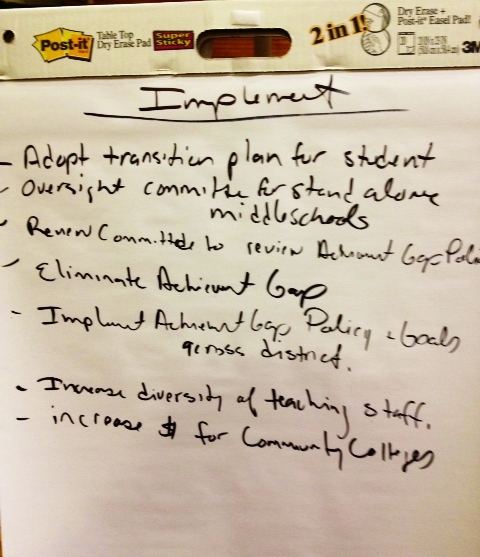
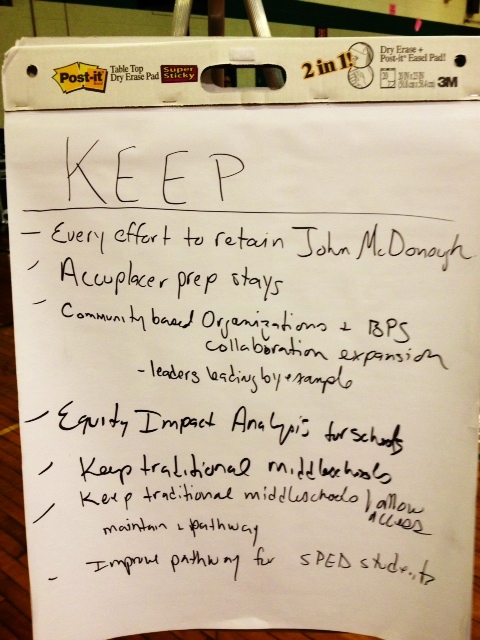
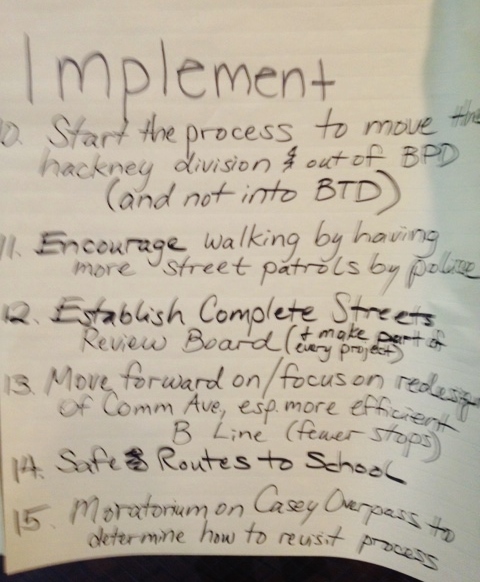
I attended the Morning Education seminar, then the afternoon Transportation/Infrastructure conference. At each, participants offered suggestions on what to keep — stuff that the City is already doing right; on what to implement — stuff that the Mayor can initiate without state legislation or huge budget outlays; and on what to dream about — a wish list for the future. Lists of each were made on large sheets of yellow art paper, and these were read from at the “general session” after all the seminars had ended. From the two sessions that I attended, I photographed both “keep” and “implement” lists. To see just how comprehensive these became, I invite you to peruse the “List” photographs below :photo (27)photo (28)^ the Education Session developed these ^ Lists of “Keep’ and “Implement”

Below —  the Transportation/Infrastructure attendees came up with this “Implement” List :

photo (36)

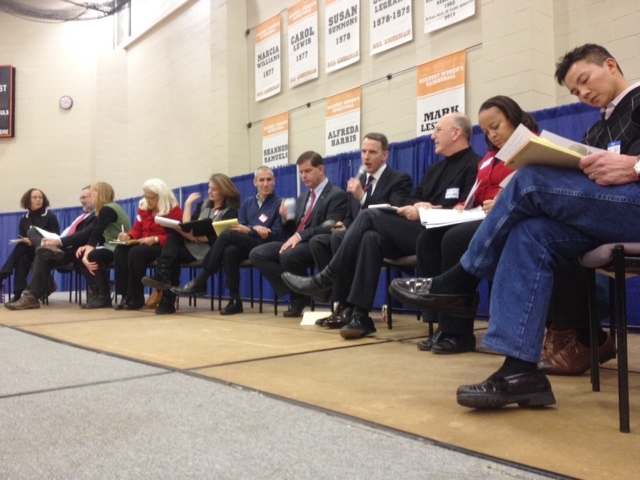
After the seminars had concluded, each seminar moderator delivered a report — and the lists. It was a lot to digest. Walsh sat on stage, in their midst and made an heroic effort to pay attention.

Walsh delivered opening remarks and spoke after the session as well; he then did question-and-answer with the hundreds of citizens who more or less populated the Reggie Lewis Auditorium at Roxbury Community College, ground zero for the day’s discussing.

photo (39)

photo (42)

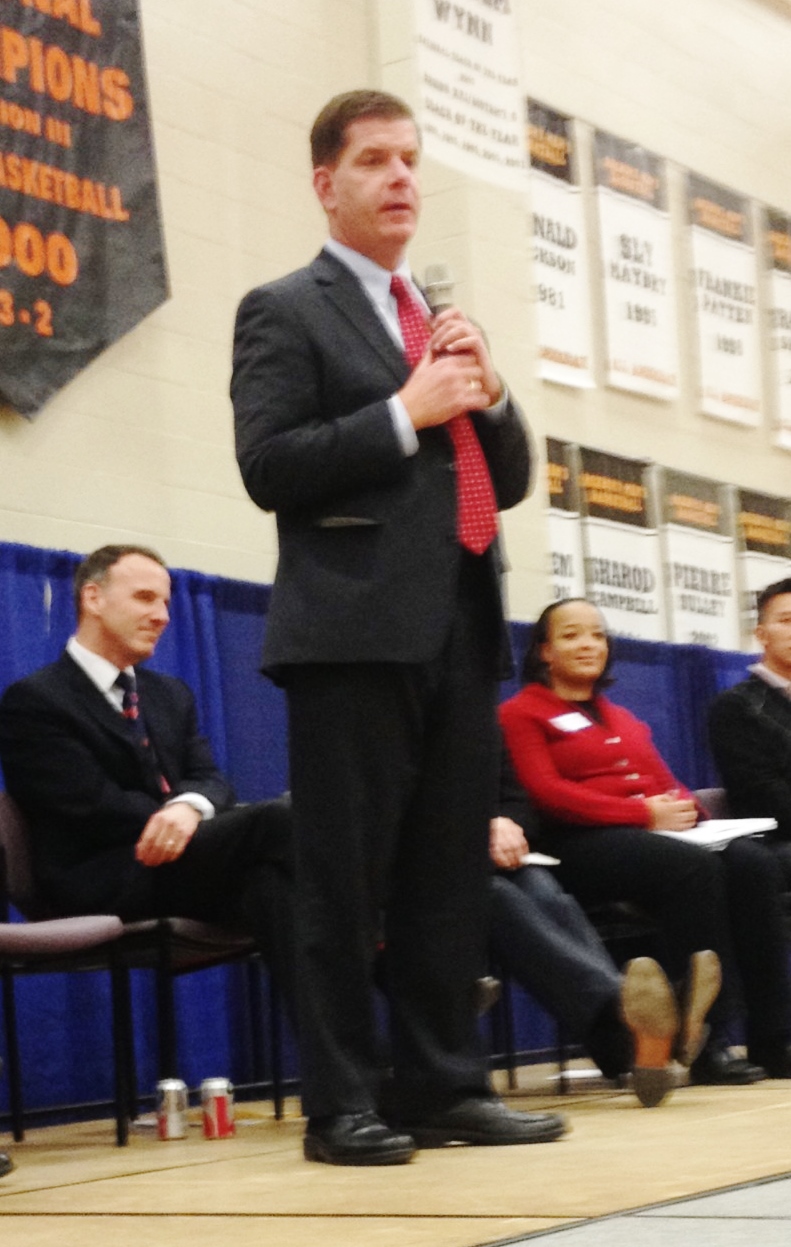
^ school headmaster ? Marty Walsh addressed the gathered seminar goers after the day’s teaching

His opening remarks told of  a trip to the Nation’s capitol, from which, he said, he had returned only the night before: “The problems we face, the challenges,” said Walsh, “We’ll take them to Washington. Unemployment insurance must be restored…State and federal aid has been cut. we need to change the discussion.” The gathered citizens applauded. After the session ended, Walsh said in summation, “I was told by somebody that they had never seen a mayor and citizens have the kind of conversation we’re having today,” he said. “We need to continue this conversation after today too.”

Clearly Walsh has made a decision that stirring the pot of citizen petitioning the City is good politics. It continues the brilliant move that he made in his campaign, to engage hundreds of educators and public interest advocates in drafting 40 policy papers for future Boston governance. Those papers — 37 were actually completed — made Walsh look Mayoral, not just the Union guy he had been (quite correctly) seen as. No wonder that he is bringing such a thumbs-up campaign device into his transition work. Seminar and conference have much value convincing citizens that City hall is listening diligently. It can. Walsh has brought to his side an impressive group of Bostonians, many of them long known by me, with experience of the City as extensive as my own. And yet…

And yet I’m not sure that Walsh realizes that by keeping the issues pot boiling he is ( 1 ) raising participants’ expectations of his administration very high ( 2 ) will almost certainly disappoint some — maybe many ( 3 ) and thereby is setting the stage for a strong opposition candidate — surely a person of color — in 2017, a campaign that is likely to begin almost immediately after the 2015 Council elections.

Already the early moves are being made, as we see in the serious implications underlying the silly — and distractive — flap about “progressive” Councillor Michelle Wu supporting “conservative’; Bill Linehan for Council President. Already we see the formation of “monitoring’ groups which intend to hold Walsh to a variety of campaign promises — in particular, bringing people of color significantly into his administration at all levels — many of which he will be hard-pressed to keep, especially given the City’s $ 50 million budget deficit (which number is mounting even as I write). Eleven issues seminar groups can only whet the appetite of those with agendas to press.

Politically, it night have been wiser for Walsh to put a lid on politics during his transition — and beyond. This is what John Connolly has done, and most of his supporters. Few Connolly people have participated in the Walsh seminars; fewer still have been much heard from since election day, and John Connolly himself not at all, except to invite supporters to a December 27th “thank you” party. But perhaps I am wrong. Perhaps it’s a pleasant vacation from politics to hear a speech such as Professor (and Boston Globe columnist) Ed Glaeser, emcee of the Seminar, delivered, almost without notes, at session’s end; an eloquent, even stirring, history of The City, in America and elsewhere: what cities are about; why we need them; how they advance the human condition and shape our thoughts; in particular, the history of Boston, with its immigrants, universities, its “human capital,” which, as Glaeser noted, is more valuable than the coal, oil, and minerals that Boston does not have.

photo (25)

^ History 307 — The City — Professor Glaeser tells it sweepingly

Glaeser’s narrative reminded me of the awe-inspiring History lecturers at whose podiums I studied at college. It was a thrilling experience to feel my mind carried back so many decades to when we students felt ourselves graced and awed by such narratives as Glaeser’s. hearing his speech, I almost forgot that this was a seminar about things to be done.

Talking is not doing. Silence often is.

—- Michael Freedberg / Here and Sphere

UPDATE : Marty Walsh badly needs to expand his reach beyond the team that has gotten him to victory. At the “Town hall” he was surrounded by all the familiar faces — hard working all, idealistic many — and accompanied by legislative and Council endorsers who strengthened his campaign. Of the rest of the City’s power players, however, I saw very very few. Some conspicuously had other plans. Clearly there is skepticism about Walsh’s readiness to the entire City. There’s also still a strong tide of continuance, of no giving up, by the “new Boston’ constituency that almost won on election day. It’s a constituency that doesn’t need City Hall to give it vision or goals to achieve and wants the Mayor to rethink the City, not merely improve it ; and will do so without him, if that’s how it is to be.  — MF

photo (40)^ drawing upon practical experience of the wise heads too :Marty Walsh conferred in a time-out moment with my old friend Pat Moscaritolo, of East Boston, who has managed much economic development work in Boston since the 1970s.

BOSTON SCHOOLS : THE SOUND OF ONE HAND CLAPPING

photo (19)

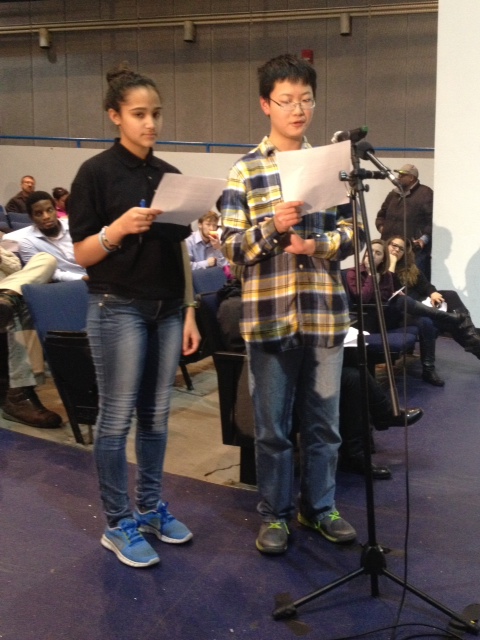
^ Boston public school students lined up to testify and support the issues on order at Mayor-elect Walsh’s education Hearing

—- —- —-

Last night Mayor-elect Walsh’s Transition team held its Education Public Hearing, at English High school in Jamaica Plain. For two hours, from 5.30 Pm to 7.30, three of Walsh’s Transition Team menbers, including his Education Team chairman, John Barros, heard testimony from at least fifty witnesses. Students, school parents, teachers, advocates all spoke.

Less people attended than came to the previous night’s education rally held by Boston Truth. There were at least a hundred vacant seats at English high’s auditorium. listening to the testimony, it was easy to tell why. With hardly any exceptions — more on these later — every witness said basically the same thing : more funding for public schools, downplay charter schools. It was the sound of one hand clapping.

photo (19)

^ plenty of vacant seats : the elephant wasn’t in the room

There isn’t much to learn from a soundless sound and hardly much more from hearing the same message repeated again and again, with only the age, gender, or skin color of the speakers differing (and these aren’t policy matters, although identity issues were raised by some of the witnesses).

photo (17)^ Boston Latin student (and Student Advisory Council President) testifying against charter schools and thus, basically, that there shouldn’t be any additional Boston Latin schools. “Making history,” wrote one activist about my post of this photo 🙂

It was especially odd — unsettling, too — to hear the students who testified. How does a 17-year old Boston Latin student — smart, yes; Chairman of the Studernt advisory Group; but — acquire an interest in curbing the number or funding of charter schools ? Did he learn his view in debate at school ? Was he coached to his position ? Quite possibly, because he read his testimony from a prepared statement. I found his testimony manipulative. Contradictory, too ; after all, Boston Latin, the City’s totally competitive exam-entry school, is the ultimate “charter” school. Was he really telling us, not that charter schools are bad, but that Boston Latin doesn’t like having its exceptionalism duplicated ?

photo (21)

^ respectful : Education Transition team members George Perry, Jen Robinson, and John Barros (Team Chairman)

The Transition Team members, George Perry, Jen Robinson, and John Barros, listened respectfully to all. Barros, at least, knows all these issues masterfully. At numerous Mayoral Forums during his candidacy for the office he heard, and responded to, all manner of school reform agendas. Last night surely tried his patience. At times I saw a bored look in his eyes. Did he really need to hear the applause given the various witnesses — the louder, the more in agreement — by the Hearing’s audience, heavy with Boston Teachers Union members (including its President, Richard Stutman, and its organizer, Jessica Tang, who testified) and Boston Truth activists, in order to get the evening’s message ?

photo (16)

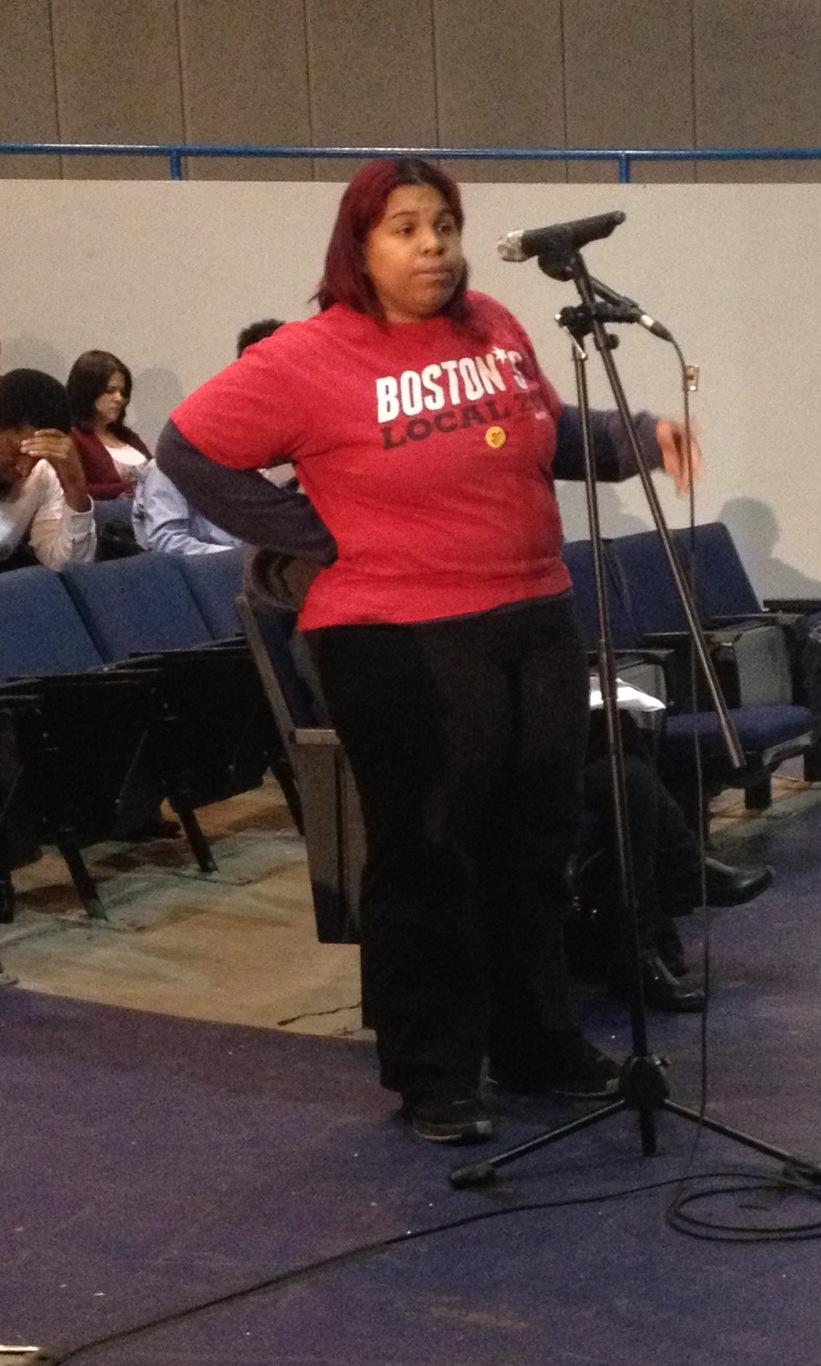
^ “I’m a Boston public school parent,” she said, and told of her difficulties getting her child properly assigned to a school convenient to her home. I wondered : Hadn’t she asked Councillor Connolly to help with that — as did so many Boston school parents ? Then I noticed her LOCAL 26 T shirt…

Fortunately for those who might have expected the incoming Mayor’s Education Team to hear a diversity of views rather than a one-hand clap, a few witnesses did offer opinions credibly their own. Jason Williams, an executive with of Stand for Children, hoped that Mayor-elect Walsh would continue his commitment to charter schools, noting that as a legislator, Walsh worked to increase their number. Applause ? None. Another witness, who said that he was a Boston Harbor captain, suggested that BPS should offer 6th grade students a course with sailing experience. Applause ? A few. Karen Kast, organizer of Boston Truth, challenged Mayor-elect Walsh to keep his campaign promises. Aplause ? plenty.

Most interestingly, Mary Pierce, who heads a special eduaction advocacy group, voiced her personal experience of frustrations dealing with Boston School Department administration. This was risky territory : reform of Boston Schools administration was a centerpiece of John Connolly’s education agenda. A door was opened — a bit; but the moment passed.

Sometimes the elephant is in the room; sometimes he is not in the room. John Connolly was the elephant not in the room. Other than Jason Williams, there likely wasn’t a single person testifying (or applauding) who on November 5th stood with Connolly’s 48.5 % of the vote.

Education became a key issue in the campaign entirely because John Connolly made it so. Most of the other candidates would gladly have left it aside — Walsh too — to be dealt with at the State House. Connolly made sure that Boston schools would be front and center — the decider — on election day. The major effort now being assembled by the Boston Teachers union and its allies, to push the schools reform agenda in its direction, would likely not be taking place had John Connolly not forced school reform sharply, radically forward.

This history makes many people wonder why the Mayor-elect even bothered to have an Education Hearing last night. As I was preparing to write this column, I found on my facebook page the following comment (excerpts follow) by friend Lisa Moellman :

“At 5:30 on a school night, just before Christmas — thry are stacked so that BTU representation/agenda dominates. picking up and feeding kids, holiday commitments prevent so many parents from participati9ng. Why would Walsh hold these important forums…at a difficult hour….? Why not the first weeks of January when actual diversity of participation could happen ?”

Why, indeed ? Myself, I think it’s public relations — Walsh’s showing the voters (and the media) that “he will listen to the people.” Nothing more, nothing less. Education is an issue that Walsh wants to put aside as much as possible ; to hand over to whichever poor sucker accepts becoming his new School superintendent, so that Marty can get on with his first priority : keeping the Boston Building boom alive and expanding, so that his building trades workers — including the many new hires that he will insist upon — can keep on earning hefty pay checks.

As for public schools and charter schools, compared to the issue debate that took place the prior evening at Boston Truth’s gathering, and much more so at every Mayoral Forum during the campaign, last night was a complete waste of auditorium heating oil.

—- Michael Freedberg / Here and Sphere

UPDATE at 3.11 PM 12/11/13 : am informed that during the 20 minutes prior to my arrival at the Hearing at 5.50 PM, other opinions, including from representatives of charter schools, were given. These sure didn’t last long. Still, it’s good to know that the Hearing wasn’t completely one thing. — MF

BOSTON POLICE PAY RAISE : THE CITY COUNCIL SETS A TRAP

Image

^ trapped — and not by a thing called love : Mayor-elect Marty Walsh

—- —- —-

At my first hearing of it, the Boston City Council’s unanimous 12-0 vote to grant a 25.4% pay raise to the Boston Police Patrolmen depressed me enormously. (The 13th vote, John Connolly, woiuld have been a No, but he is on vacation; he told the Boston Globe that he would have come back and cast his No vote if it was going to make a difference.) Why even HAVE a Council if it’s going to take a hike when the City’s funds are on the line ? 25.4% is DOUBLE the pay raise granted to almost every other of the City’s many employee unions.

Reasons for the vote were trotted out by Councillors trying not to look wind-twisted ; none makes any sense, including the Quinn Bill of 1998, by which the Patrolmen gave up certain pay raises in exchange for education-furthering bonuses. 1998 ? Really ? Come on, guys. Comic indeed was Councillor Pressley’s statement that she voted yes because she “didn’t want to begin a race to the bottom.” I don’t think it’s racing to the bottom to reject an award double that granted to other city unions. Pressley also praised “the huge sacrifices” that Patrolmen make to ensure citizen safety. Does she mean the “sacrifice” of doing public works details for which the Patrolmen get paid most generously, details that no other state requires be handled by uniformed police officers ? If you include those plum puddings, the average Boston patrolmen — as pointed out in Farah Stockman’s damning op-ed in the Boston Globe two days ago — grabs yearly pay of about $ 109,000 ! Many earn north of $ 175,000. Some scoop over $ 200,000.

These are scandalous numbers.

I am the last journalist to want public employees to earn skimp money — far from it — but Boston Police pay exceeds any argument of fairness or necessity. There has to be balance between city employees and city taxpayers — and as columnist Stockman also pointed out, most Patrolmen move out of the City as soon as their ten-year in-city obligation terminates, which means that most of them aren’t even city taxpayers — and a raise double that of other city employees is a ramp that will repercuss like crazy when the other city Unions come calling at contract renewal time.

My thinking had reached this point, when suddenly I realized that the Council had done something more portentous. They had laid a trap for the incoming Mayor, Marty Walsh. He cannot be pleased.

It is Walsh who will now have to decide how to adjust the Patrolmen’s huge pay raise to the City’s budget deficit. Walsh has said there may be layoffs. For a Union guy, that cannot be a happy message to send to his core supporters, many of whom are looking to be hired, not sent home

Next year the FireFighters of Local 718 will be coming to the table with their pay raise demand. Local 718 was the first city union to back Marty Walsh in his Mayor campaign. It was at Local 718’s request that he filed his now infamous House 2467 bill to strip City Councils of the power to review arbitrator awards — a bill that almost cost him the election. Walsh deferred whenever in the campaign he was asked about closing under-worked City fire-houses. His ducking this issue was noted by editorialists.

Walsh was already going to have a hard time negotiating Local 718’s next contract demand. By voting 12 to 0 to give a 25.5% pay raise to the patrolmen, the Council has boxed Walsh into a Local 718 corner he almost certainly cannot get free of. How can he not let Local 718 do its damnedest and thereby earn the dislike to City taxpayers ? How will he not paint himself forever as exactly “the Union guy” that people other than his core supporters saw him as ? Local 718 can, if it wants, save his ass. It will cost them pay to do it. Is that likely ?

I may of course be wrong. Walsh may find a way to wiggle free of Local 718. Even so, he cannot be happy wth the ugly leg trap that yesterday’s Council vote has placed in his path.

A foundation for the 2017 Mayor election is being laid now. Yesterday’s vote placed the cornerstone.

—- Michael Freedberg / Here and Sphere

#MAPOLI : BAKER TAKES A RIGHT TURN…AND OTHER VEERINGS

Image

the would be Governor stoops for a spot of Tea : Karyn Polito to be Charlie Baker;s running mate

—- —- —

A number of high-visibility Massachusetts pols did the attention-getting unexpected today. Perhaps the biggest such event of the day, however, was not a happy move and had the feeling of a surrender  : Charlie Baker, who almost certainly will be the Republican nominee for Governor next year, anointed one Karyn Polito as his Lieutenant Governor sidekick.

Who IS Karyn Polito ? A former State Representative from Shrewsbury and the 2010 Republican candidate for Treasurer. And why her ? It is speculated that Baker chose her because ( 1 ) Baker lost women voters in the 2010 Governor election by 24 points and ( 2 ) she is popular with the Worcester County Tea folks. As I wrote three days ago, Polito recently spoke at an event on the South Shore at which the featured guest was one Allen West, a stridently contemptuous, Tea party favorite and one-term (defeated) Florida Congressman. Polito is said to have praised West in her own speech at that event. That would be reason enough to wonder why Baker would link his candidacy to Polito, who served as campaign chair for Michael Sullivan’s right-wing US Senator campaign earlier this year. Sullivan’s opposition to marriage equality (and of course to transgender civil rights) mirrored Polito’s own recent legislative record. (Baker’s campaign says tat Polito has since come around and now shares his views on social issues.)
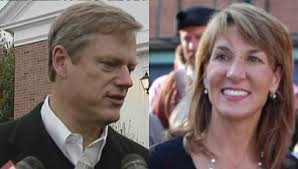
All of this represents a huge shift for Baker, who in 2010 chose as his running mate Richard Tisei, an openly gay State Senator who vigorously supports lifestyle civil rights — indeed, he was the original legaislative sponsor of the transgender rights bill that was enacted as law last year. As it happens, Polito, too, has made her own huge shift. During the Romney years she was — like almost all Massachusetts Republicans — strongly pro-choice and supportive of marriage equality. Of course we all know what Mitt Romney did in the years since he left he Massachusetts governorship. Polito has simply followed his example, bowing her reformist record to the voices who want to repeal all reform.

Such is the politician whom Baker has chosen as his symbol this campaign cycle : a gravatar of reaction, a face of opposition to nearly everything the GOP has stood for in Massachusetts since it was founded. Well might I call the Baker-Polito ticket “anti-Republican.”

Baker had other options. He could have chosen State Representative Geoff Diehl, a social progressive who spearheads the “Tank the Gas Tax” movement. He might have gone really bold and picked Pamela Julian, leader of the League of Women Voters and a force in Boston. Elizabeth Childs of Brookline was a possibility. I would have preferred any of these.
Will this ticket likely succeed with Massachusetts voters ? As hardly anybody votes for a Lieutenant Governor, in the end it probably won’t matter to anyone who isn’t a political junkie. But it should. A successful candidacy gives the angry anti’s of the Tea party a credibility that right now they thankfully lack.

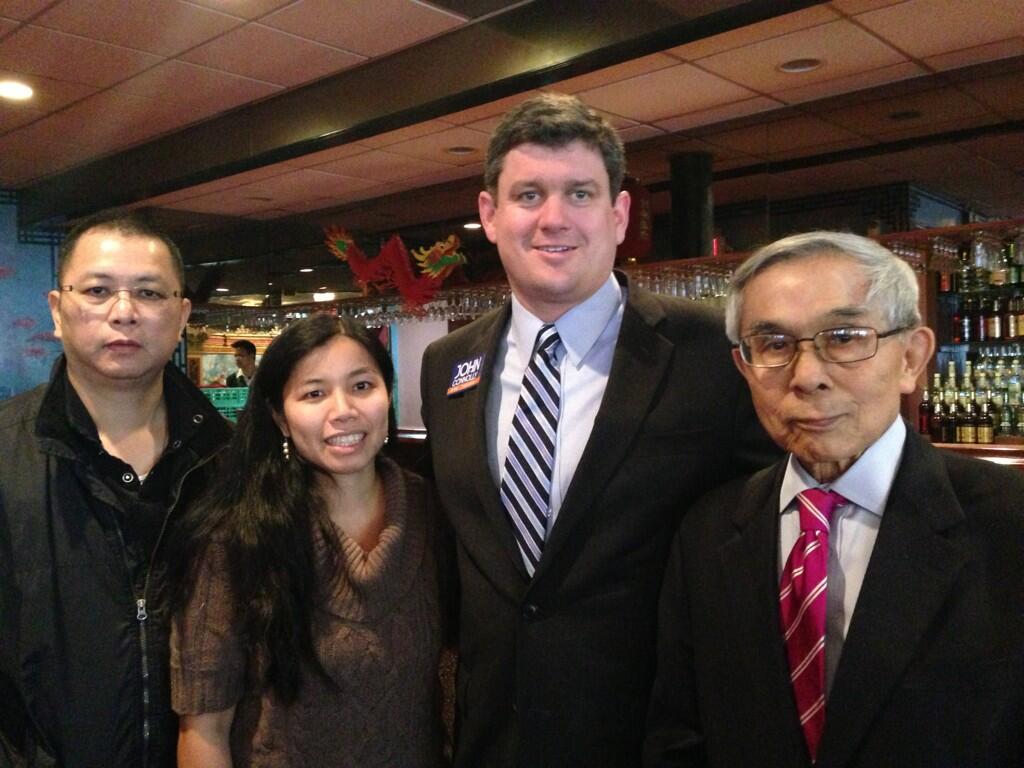
Connolly w Chin

^ John Connolly as WHAT ? Mayor Walsh’s new school superintendent ? Not damn likely

No sooner had I digested this swig of political castor oil than news came that, in an interview by radio host Jim Braude, Mayor-elect Marty Walsh said that he “absolutely do(es) not rule out asking John Connolly to be his new superintendent of schools.”

WTF ? Immediately came the waves of outcry from the teachers union activists, the Diane Ravitch groupies, and the opponents of charter schools and US Secretary of Education Arne Duncan. That was to be expected. But I too, a supporter of Connolly and his “school transformation” vision, found the suggestion a red herring — or maybe a sly nick. Connolly is screwed by this knee-chop remark no matter how he responds — IF he does respond. His best response being to not respond at all. Clearly John Connolly has a ton of career options better than the tainted biscuit that Walsh so suavely served up.

Whoever agrees to be Mayor Walsh’s superintendant of schools is bound to disappoint almost everyone : school parents wanting big reform, the Teachers Union opposing every reform except its own politically unlikely agenda, the administrators, principals, kids — you name it. Boston’s public schools need significant reconfiguration; almost any new superintendent won’t be able to get it done. Why should John Connolly descend into that vortex ?
photo (5)

^ Guess who is heading to Israel as a guest of the ADL ? Yup, Council Felix G. Arroyo.

No sooner had I digested the Connolly suggestion than Councillor Felix G. Arroyo announced that he is visiting Israel next week as a guest of the Anti-Defamation League. This surprised me. Most politicians allied with the Labor Left — and Arroyo is definitely there — are supporters of the Palestinians, not the ADL. So what is up ? Politicians make trips to Israel when they have high officer in mind. Might Felix G. Arroyo be thinking of running for Lieutenant Governor ? It would make sense. He would enhance the Democratic ticket no matter which of the four likely hopefuls becomes the nominee. He’d be an inspired choice. Is Arroyo on it ?

—- Michael Freedberg / Here and Sphere

NOTE : this is article was updated December 5, 2013 at 8:00 am.

BOSTON PUBLIC SCHOOLS : WHAT NEXT FOR REFORM ?

Image

^ Boston school reformer Mary Tamer : Marty Walsh needs to reappoint her

—- —- —

Lawrence Harmon’s column in today’s Globe tweaked me to write once more about the prospects for school upgrade in Boston. My last column on this topic appeared well before the Mayor election. Much has happened since, and not just the selection of a new Mayor. School reform occupies center stage nationwide, as parents, students, and the job market push for — insist upon — huge changes in how we educate children, how rigorously, and to what purpose.

Harmon focuses on the City’s teacher evaluations, which he finds very suspiciously upbeat. 93 percent of teachers, he writes, land “in the exemplary and proficient categories on a new teacher-evaluation system.” He also notes that almost every BPS principal rated high. “Yet,” he goes on, “about two thirds of the city’s schools rank in the bottom 20 percent statewide based on student test data.”

He asks, “what is going on here ?” A few sentences later comes an answer : “It suggests that good teachers are unable to compensate for poverty, social ills, non-native English status, and other difficulties associated with urban schools.”

The suggestion rings true. Harmon says that it should not matter, that just as the Boston Police do not settle for the high rate of crime in certain neighborhoods but attack it head-on, so should the schools. No doubt that Harmon is right. But teachers aren’t a police force. Boston’s police patrol 24/7 ; teachers teach only seven hours a day, five days a week. Boston school children live by far the most of their day with someone other than their teachers.

I agree that the new teacher evaluations disservice everyone, the teachers included. No one working on any job does it perfectly. All of us can improve; all should try to do so. To have value, an evaluation system should do what my Phillips Andover American History teacher did ; “no one in this course will get an A,” he said, “because none of you can master the subject that well.” The best that anyone could do, he told us, was a B. My American history teacher was pressing the point that what he would be teaching us really, really mattered. Being the best teacher that one can be matters even more.

Harmon also quotes school committee member Mary Tamer at length, on the evaluation issue — especially of Boston Public school administrators. Her rigor and critique should be cherished by a system dedicated to improving itself.

That said, as I see it the big problem in urban public schools is not the competence of teachers or principals. The problem lies elsewhere, most often at home. If children are sent to school without a healthy breakfast; if they come from homes in dysfunction or commotion; if they cannot negotiate the English language; if they are prey to peer pressures, from bad decisions to worse; if at home no one ever reads to them, challenges them intellectually, engages their curiosity — if any or all of these home situations devils every part of a child’s life outside school, what is his life IN school likely to be ? Peer pressure becomes even more intense at school.

The home lives that I listed in the previous sentence come to school on the backs of all too many kids. Your kid may have the solidest home life in the neighborhood ,and it is not going to be enough, confronted as it will be in school itself by kids from problemed homes. A very few, remarkable kids can work through such peer pressure. A few can triumph even over their own home badness. But how many ? And there isn’t much that a teacher can do about it. Most Boston public school teachers I have known can rescue many kids from the badness; what about the others ? It cannot be all on the teachers.

School reform begins at home. If the parents or guardians aren’t fully committed to see that their kids triumph intellectually, morally, physically, and emotionally, and if they cannot rely on their neighbors to do the same with their own kids, urban public schools are going to continue to under-perform even with miracle men as teachers.

It is this time that we evaluate the parents and guardians. And time too that we expect no better of Boston public school kids than public school parents put into it.

Frankly if I were a Boston public school parent, I would grow grim about the certainty that my kid(s) will find it almost impossible to get that cutting-edge technology job — or even an entry level tech-competent position — because I am failing, my neighbor is failing, and thus the public schools are failing, too, because my neighbors and I aren’t demanding that school concentrate on testing, teaching, cajoling, piquing every child in class to work to the next level, to experiment, to imagine, and to really, really THINK. None of which my school can succeed at because too much class time is spent getting hepped-up kids to calm down, into some sort of order, into concentration.

No wonder that diligent parents choose charter schools if they can make the cut. But that too is not the answer. The only answer is the community-wide, full-metal jacket — much more than the competence of teachers and principals evaluated without compromise — that I have outlined. Anything less well work only partly, leaving some parents unsatisfied and some children unready for tomorrow’s mercilessly experimental jobs.

One final question : do you have any evidence that the new Mayor will spur a school reform as vast as the effort i have outlined ? I sure don’t. The voters of Boston already passed judgment on how much school reform they wanted. Mary Tamer supported John Connolly, as did I, for much the same reason: school reform cannot be piecemeal. Yet piecemeal it looks now to be. There will be some changes. More teachers and principals will be people of color. The school day will lengthen. Trade and technology curricula will expand, in partnership with universities, labor unions, and businesses. Some children will definitely benefit, somewhat. I doubt it will be anything like enough; yet I am willing to be proved wrong.

Harmon suggests in his column that Mayor Walsh should reappoint Tamer, whose term is at end. “Walsh…needs to hear strong, independent voices,” writes Harmon, “as he tackles the job of improving schools.” I agree.

—- Michael Freedberg / Here and Sphere